
Do Radon Systems Require Ongoing Maintenance?
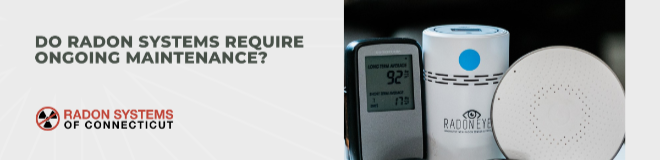
If you have radon systems installed in your home, you may be wondering how much upkeep they really require. I get this question often, especially right after a system is installed and everything is running smoothly. In most cases, radon systems are designed to operate continuously with minimal upkeep.
That said, no mechanical system is completely maintenance-free. A few simple checks each year can make the difference between long-term protection and a system that quietly stops doing its job. Staying proactive is easy once you know what to look for.
Here are the key maintenance tips I recommend for keeping radon systems working properly:
- Test your home annually to confirm your system is effective
- Check the system warning device or manometer regularly
- Listen for unusual noises from the radon fan
- Inspect exterior vent pipes for damage or blockages
- Keep sealed areas of the foundation intact
- Replace the radon fan when needed
- Make sure the radon system has continuous power
- Schedule a professional inspection after major home changes
If you follow these simple tips, you can feel confident that your system is doing what it was designed to do. Let’s take a closer look at each one.
Test Your Home Annually to Confirm Your System Is Effective
Even though radon systems are highly reliable, testing at least once a year is important. Testing is the only way to confirm that radon levels remain below the EPA action level. Equipment can wear down over time, and testing gives you clear data.
You can use a short-term test kit or schedule a professional test for added peace of mind. Testing during colder months often provides the most consistent results because windows and doors stay closed. If you’ve recently remodeled or altered your foundation, testing becomes even more important.
In my experience, an annual test is one of the simplest ways to verify your system’s performance. It provides reassurance that everything is functioning properly. Making this a routine habit helps ensure continued protection.
Check the System Warning Device or Manometer Regularly
Most radon systems include a manometer or other warning device that shows whether the fan is creating proper suction. Glancing at it about once a month is usually sufficient. It takes only a few seconds and can alert you to problems right away.
If you have a U-tube manometer, the liquid levels should be uneven when the fan is running. Equal levels may indicate that the fan is not operating. Understanding what your normal reading looks like makes changes easier to spot.
A quick monthly check can prevent longer periods of unnoticed system failure. Small changes in the reading often signal that something needs attention. Catching those changes early helps maintain safe radon levels.
Listen for Unusual Noises From the Radon Fan
Radon fans are built to run continuously, and they typically last five to ten years. Most of the time, they operate quietly in the background. When you notice a change in sound, it can be an early sign that something needs attention.
Here are a few specific sounds that may indicate a problem:
- Rattling or Grinding Sounds: These noises often indicate worn bearings or loose internal components. Addressing the issue early may prevent sudden fan failure.
- A Louder-Than-Normal Humming Noise: Increased vibration can signal that the motor is straining. This often happens as the fan approaches the end of its expected lifespan.
- Sudden Silence: If the fan was previously audible and you no longer hear it, it may have stopped running. A nonfunctioning fan should be checked promptly to maintain protection.
Over the years, subtle sound changes have proven to be reliable early warning signs. Paying attention to these cues can help you avoid unexpected system downtime. Prompt attention keeps your radon system operating consistently.
Inspect Exterior Vent Pipes for Damage or Blockages
Your radon system relies on clear airflow to vent gases safely above your roofline. A visual inspection of the exterior vent pipe a couple of times a year is usually sufficient. No special tools are required, just a careful look.
When inspecting the vent pipe, pay close attention to these common trouble spots:
- Cracked or Disconnected Pipe Sections: Temperature shifts and storms can cause joints to loosen over time. Even minor separations may reduce suction and system efficiency.
- Loose Brackets or Sagging Pipe: Support brackets keep the vent line stable and properly aligned. If sections shift, airflow can be compromised.
- Obstructions at the Discharge Point: Leaves, debris, or nesting animals can partially block the vent opening. Clear airflow is essential for proper radon removal.
Exterior components are exposed to weather and seasonal changes. Small issues can develop gradually without being obvious. Periodic checks help ensure the system vents properly year-round.
Keep Sealed Areas of the Foundation Intact
Radon systems work best when foundation openings are properly sealed. During installation, cracks, sump pits, and other entry points are sealed to improve suction and performance. Over time, new cracks can develop as a home settles.
Periodic checks of visible foundation areas in your basement or crawl space are helpful. Widening cracks or a loose sump lid are worth addressing promptly. Even small openings can influence how efficiently the system performs.
Maintaining these sealed areas supports consistent suction beneath the structure. Minor gaps can reduce system effectiveness over time. Addressing changes early helps preserve long-term performance.
Replace the Radon Fan When Needed
The radon fan is the heart of the system, and it won’t last forever. Most fans operate reliably for several years before showing signs of wear. Planning ahead helps avoid unexpected gaps in protection.
If annual test results rise or the manometer reading changes significantly, the fan may be weakening. Proper replacement requires secure sealing and correct electrical connections. Professional installation ensures the system continues operating at the appropriate suction level.
Fan replacement is a normal part of long-term system ownership. Timely replacement keeps radon levels consistently low. With proper maintenance, the overall system can perform reliably for many years.
Make Sure the Radon System Has Continuous Power
Radon systems are designed to run nonstop, which means they depend on a steady power supply. If the system loses power, it stops reducing radon immediately. Unlike some household equipment, there is no backup function if electricity is interrupted.
It’s a good idea to confirm that the system is plugged into a working outlet and that the breaker hasn’t tripped. After severe storms or electrical work, a quick check can ensure the fan restarted properly. If your system includes an alarm, make sure it is active and functioning as intended.
Power interruptions are one of the simplest causes of system failure. A quick check after outages can prevent extended periods of reduced protection. Keeping the system powered ensures continuous radon reduction.
Schedule a Professional Inspection After Major Home Changes
Changes inside your home can influence airflow and pressure. Finishing a basement, upgrading insulation, or installing new HVAC equipment can alter how radon moves through the structure. After significant renovations, an evaluation of the system is wise.
These updates sometimes require minor adjustments to maintain optimal performance. Additional sealing or system modifications may occasionally be beneficial. Verifying performance after renovations ensures continued effectiveness.
Homes naturally evolve over time as improvements are made. Checking your radon system after major updates provides reassurance. A simple follow-up evaluation confirms everything is functioning as intended.
Conclusion
Radon systems do require ongoing maintenance, but the steps are simple and very manageable. One thing I’ve learned is that small habits like annual testing and quick visual checks make a meaningful difference over time. Staying consistent helps ensure your system continues operating the way it should. With regular attention, you can feel confident your indoor air remains protected year after year.